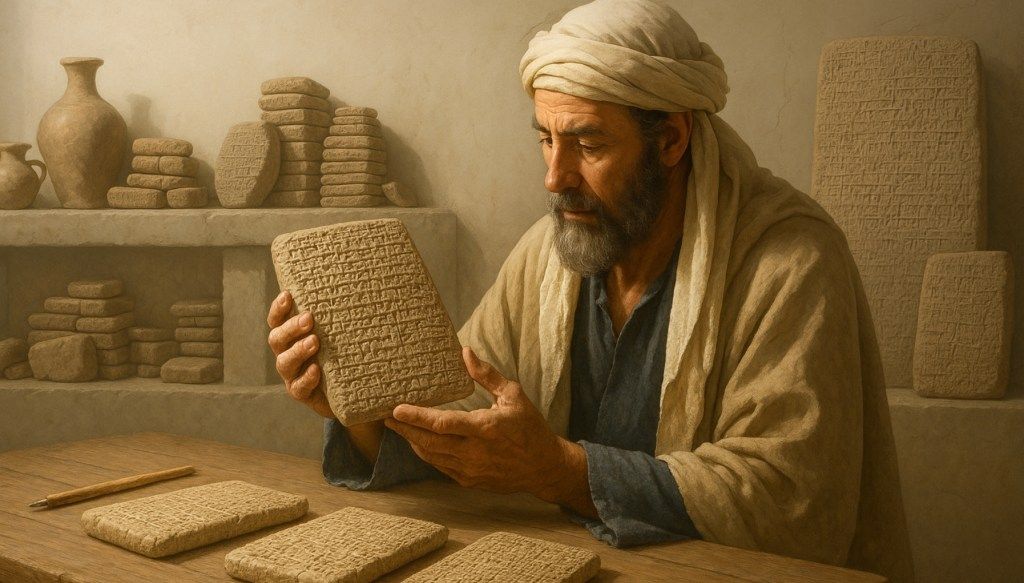
The narratives of Genesis 23–24 stand at the centre of the Abraham cycle and provide some of the clearest cultural windows into the world of the Middle Bronze Age (c. 2000–1700 BC). When read alongside the legal archives from Nuzi (15th–14th century BC) (in present-day northern Iraq) and Ebla (24th century BC) (present day northern Syria), these chapters display striking correspondences with real, documented Ancient Near Eastern customs. While the tablets are later (Nuzi) or earlier (Ebla) than Abraham’s likely lifetime, they attest to long-standing regional practices that illuminate the social world Genesis describes.
Abraham in Time and Place
Genesis situates Abraham’s origins in Ur of the Chaldeans, moving north to Haran, and eventually into Canaan, particularly around Hebron (Genesis 13; 23). Most evangelical and many conservative scholars place Abraham around 2000–1800 BC (often c. 1900 BC), during the Middle Bronze Age I–II. This was a period of semi-nomadic pastoralism, city-state governance, silver-weight commerce, and formalized kinship contracts — precisely the cultural background reflected in Genesis 23–24.
Genesis 23: The Purchase of the Cave of Machpelah
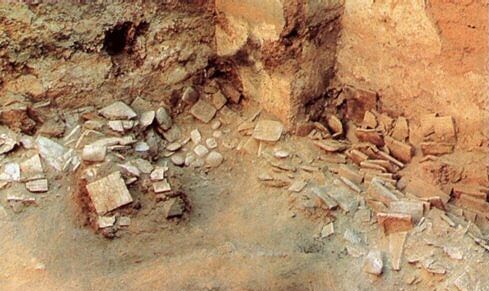
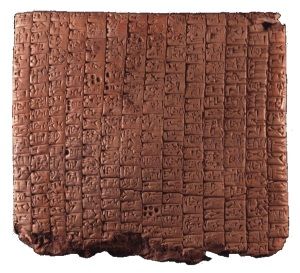
Genesis 23 recounts Abraham’s purchase of the cave of Machpelah from Ephron the Hittite. Several details align closely with Nuzi legal practice:
Public Negotiation Before Elders
Abraham negotiates “at the gate of the city” in the presence of witnesses (Gen 23:10, 18). Nuzi land contracts such as HSS 5, no. 67 and JEN 208 show property transfers conducted before elders and recorded with formal witness lists. The “city gate” was not merely architectural; it functioned as the legal forum of the town.
Courtesy Gift Formula Before Price Declaration
Ephron initially offers the land as a “gift” (Gen 23:11), yet proceeds to name a price of four hundred shekels. Nuzi contracts (e.g., HSS 13, no. 346; JEN 322) use similar honor-language, where sellers employ courteous gift formulas prior to formal silver valuation. This rhetorical politeness was part of Near Eastern negotiation etiquette.
Silver Weighed by Standard Measure
Abraham weighs out silver “according to the shekel standard current among the merchants” (Gen 23:16). Nuzi tablets (HSS 19, no. 9; JEN 525) and Ebla administrative records (ARET 3, no. 495) show transactions conducted in weighed silver rather than coinage — coinage would not appear for many centuries. This detail strongly fits a Bronze Age context.
Precise Boundary Enumeration
Genesis 23:17–18 carefully lists field, cave, and trees “within all the borders.” Nuzi land sales similarly enumerate boundaries and appurtenances (HSS 5, no. 67), demonstrating legal precision typical of second-millennium Mesopotamian property law.
These correspondences suggest Genesis preserves authentic legal conventions consistent with the Middle Bronze Age. The narrative does not read like an anachronistic Iron Age invention; rather, it reflects early Near Eastern contractual norms.
Genesis 24: The Betrothal of Rebekah
Genesis 24, one of the longest chapters in Genesis, describes the arranged marriage of Isaac and Rebekah. Again, numerous parallels appear in Nuzi and broader Near Eastern sources:
Patriarchal Oath Ritual
Abraham’s servant swears under Abraham’s authority (Gen 24:2–3). Nuzi texts such as HSS 9, no. 1 and JEN 432 contain oath formulas invoking divine sanction in contractual arrangements. Oaths were legally binding and religiously weighty.
Endogamous Marriage Within Kin Group
Abraham insists Isaac not marry a Canaanite but a woman from his extended family (Gen 24:4). Nuzi marriage contracts (HSS 5, no. 25; JEN 434) show preference for marriages within kin groups to preserve inheritance rights and property continuity.
Bride-Price (Terhatum) and Gifts
The servant presents gold jewelry and costly goods (Gen 24:22, 53). Nuzi marriage tablets (HSS 19, no. 18; JEN 369) record bride-price payments and itemized goods, paralleling Genesis’ detailed gift description. Ebla dynastic marriage records (ARET 1, no. 15) attest similar gift exchanges at royal levels.
Brother Acting as Negotiator
Laban, Rebekah’s brother, takes a leading role (Gen 24:29–33). Nuzi documents (HSS 5, no. 25; JEN 454) show brothers or male guardians acting in marriage contracts, particularly where inheritance considerations were involved.
Delay Between Betrothal and Departure
Rebekah’s family requests time before she leaves (Gen 24:55). Nuzi contracts (HSS 13, no. 276; JEN 338) sometimes include clauses allowing delay between agreement and cohabitation.
Bride’s Consent
Rebekah is personally asked, “Will you go with this man?” (Gen 24:58). Nuzi texts (HSS 19, no. 67) occasionally record the bride’s assent within the contract formula, demonstrating that such acknowledgment was legally meaningful.
Taken together, these details show that the Genesis narratives are deeply embedded in genuine second-millennium legal and social customs rather than later fictional constructions.
The Historical Plausibility of Abraham
When Abraham is placed around c. 2000–1800 BC:
Ur was a thriving Mesopotamian city under the Third Dynasty of Ur (c. 2100–2000 BC).
Haran functioned as a major trade hub linking Mesopotamia and Anatolia.
Hebron and the southern hill country of Canaan were occupied by city-states consistent with the Genesis description of local Hittite or Hurrian populations.
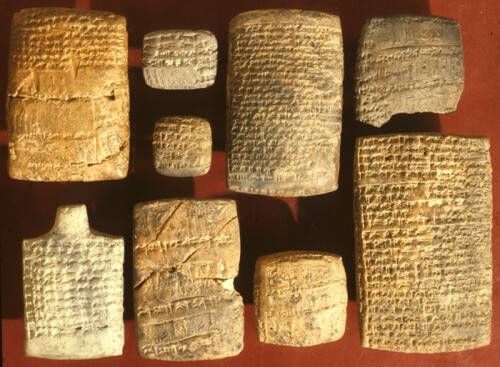
The Nuzi tablets date later (c. 1500–1350 BC), but they reflect Hurrian customs that scholars believe developed earlier in Mesopotamia and Syria. The Ebla tablets are earlier (c. 2400 BC) and demonstrate that many administrative and marital practices were already well established centuries before Abraham’s proposed lifetime. Thus, Genesis sits comfortably within the broader cultural continuum of the ancient Near East.
As K. A. Kitchen has argued, the patriarchal narratives align closely with Middle Bronze Age realities in ways that would have been difficult for a much later writer to reconstruct accurately without access to ancient legal traditions. The specificity of weighed silver, kinship-based marriage, oath formulas, and gate-based legal proceedings reflects genuine early custom.
Even among critical scholars, there is widespread acknowledgment that Genesis reflects authentic ancient Near Eastern social patterns. The cultural texture of Genesis 23–24 fits remarkably well within the world of Bronze Age Mesopotamia and Canaan. Genesis 23–24 portrays land acquisition, legal negotiation, marriage contracts, bride-price exchange, oath-taking, and kinship structures in ways strikingly consistent with documented practices from Nuzi and Ebla. When Abraham is placed around 2000–1800 BC, migrating from Ur through Haran to Hebron, the narrative coheres naturally with what archaeology and ancient texts reveal about that era. The cultural realism embedded in these chapters provides strong apologetic support for the antiquity and historical rootedness of the biblical record. Rather than reflecting a late fictional imagination, Genesis resonates with the lived legal and social world of the ancient Near East.
 Morganite's Blog